
Guilin and Yangshuo,
the landscape of the paintings
The limestone peaks that have filled Chinese painting for a thousand years are still there, exactly as painted. And you explore them by boat, by bike and on foot.
Guilin is the gateway; the real landscape is on the Li River and in Yangshuo. Tourism has been here for decades, but the valley is vast and there are corners where you meet no one.
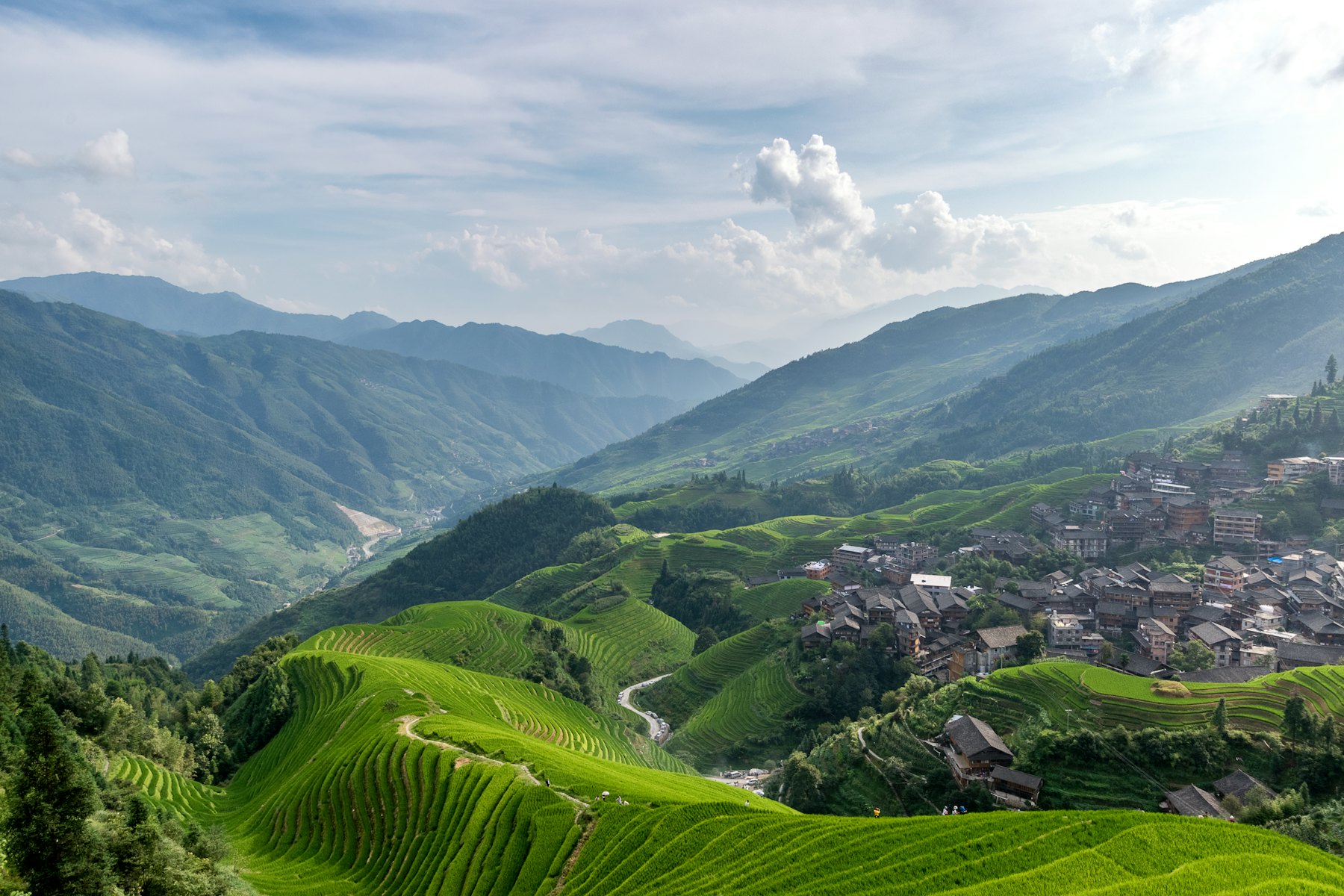
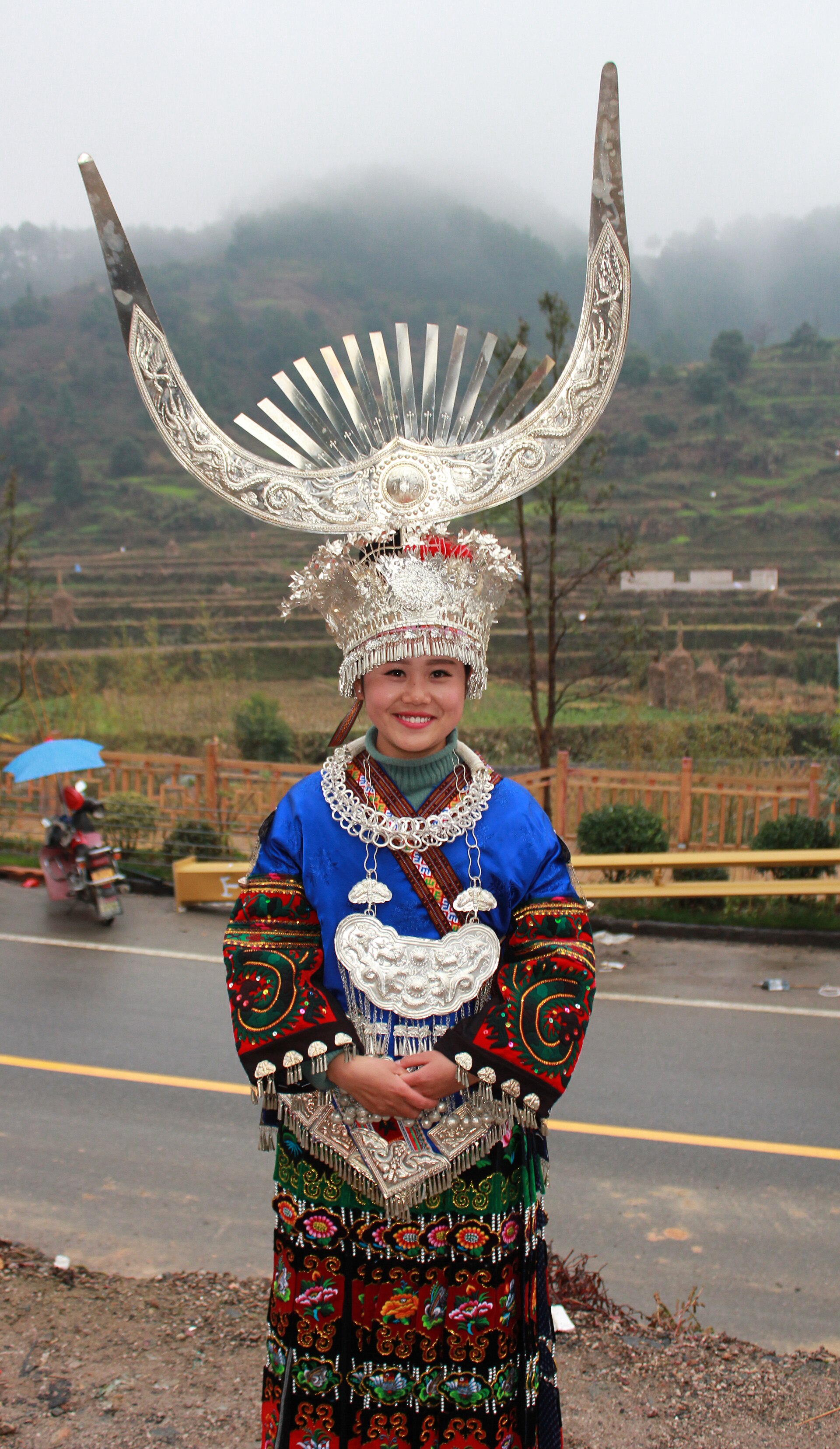
Longji, two hours from Guilin, adds another layer: rice terraces carved by hand over seven hundred years, with Zhuang and Yao minority villages at the top.
What to see
Cruising the Li River
Four hours from Guilin to Yangshuo between karst peaks. The stretch at Xingping is the one on the 20-yuan note.
Longji (Dragon's Backbone) terraces
Terraces from 300 to 1,100 m. Green from May to June, gold in September. Zhuang and Yao communities live here.
Yangshuo by bike
Flat routes between rice fields, villages and the Yulong River. The best way to see the valley without a coach.
Reed Flute Cave
A 240 m-high cave of floodlit stalactites. Tourist-heavy, but genuinely spectacular.
Yangshuo's Xijie (West Street)
A pedestrian street of local food, cooking classes and bars. Tourist-focused without being unbearable outside peak season.
Xianggong Hill at dawn
The classic photographers' viewpoint: a half-hour climb with the river at your feet in the mist.
What almost everyone gets wrong
The usual mistake is to stay only in Guilin and do the river as a day trip. What works is one night in Guilin and two in Yangshuo, plus a separate night up among the Longji terraces.
- Day 1 — Guilin: Elephant Trunk Hill, the caves, the night market.
- Day 2 — Cruise the Li River to Yangshuo. Free afternoon on West Street.
- Day 3 — Cycle the Yulong valley and take a cooking class.
- Day 4 — Longji rice terraces and back.
When to travel
April to October. May and June are best for green terraces and higher water levels; September brings the gold of harvest. July and August are hot, humid and wetter.
- April–June — green terraces, fuller river, occasional showers.
- July–August — hot and rainy; dramatic skies, more crowds.
- September–October — golden harvest and clear light.
- November–March — quiet and cooler; terraces bare, hotels cheap.
Photography
Three moments worth the alarm: the Li River at Xingping at dawn, the Xianggong viewpoint in the mist, and Longji first thing, before the buses arrive. We arrange early starts with a private driver and a licensed English-speaking guide.
- The Li River can be done by large boat (4 h) or by bamboo raft in sections (more intimate).
- In Longji, if you sleep up top you carry your bags up: take a small pack and leave the rest in the car.
- Bring cash: small villages don't always have card machines.
- In summer, pack mosquito repellent and a light rain jacket.
Frequently asked questions
Li River or Yulong River?
How many days for Longji?
Can I get there by train?
Shall we plan your trip to Guilin and Yangshuo?
Tell us your dates and who is travelling, and we'll send a tailor-made itinerary for Guilin and Yangshuo and the rest of China.
Open WhatsApp nowDirect contact
Every channel reaches the same team in China. Pick whichever you already use.
WA WhatsApp+86 177 0971 7171 — the fastest way to reach us →