
Practical guide
Etiquette in the
Tibetan regions
The rules are simple, and they are not negotiable. Explaining them before you arrive avoids misunderstandings and, more importantly, avoids causing offence to the people who live there.
In monasteries and temples
A short list that covers almost everything:
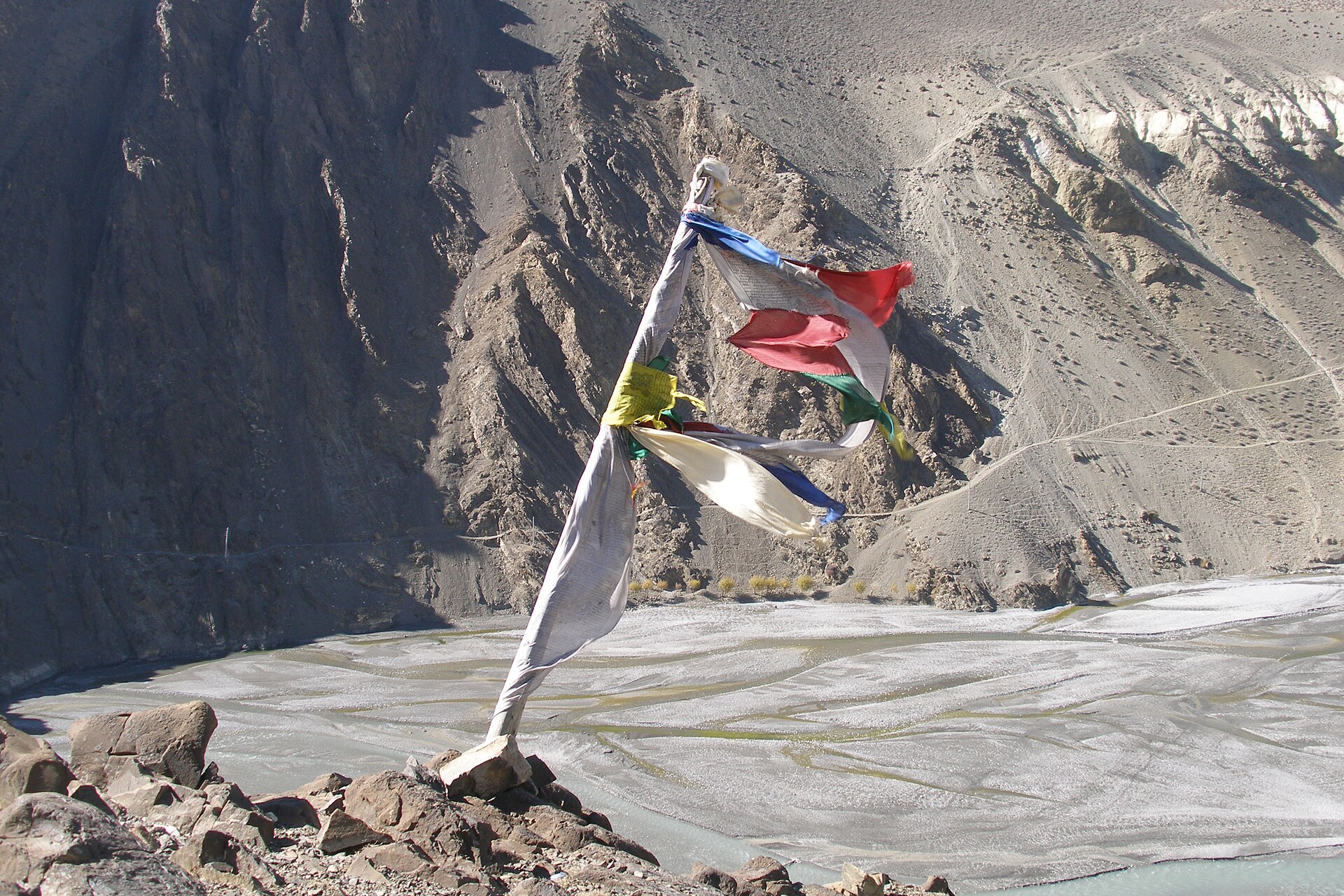
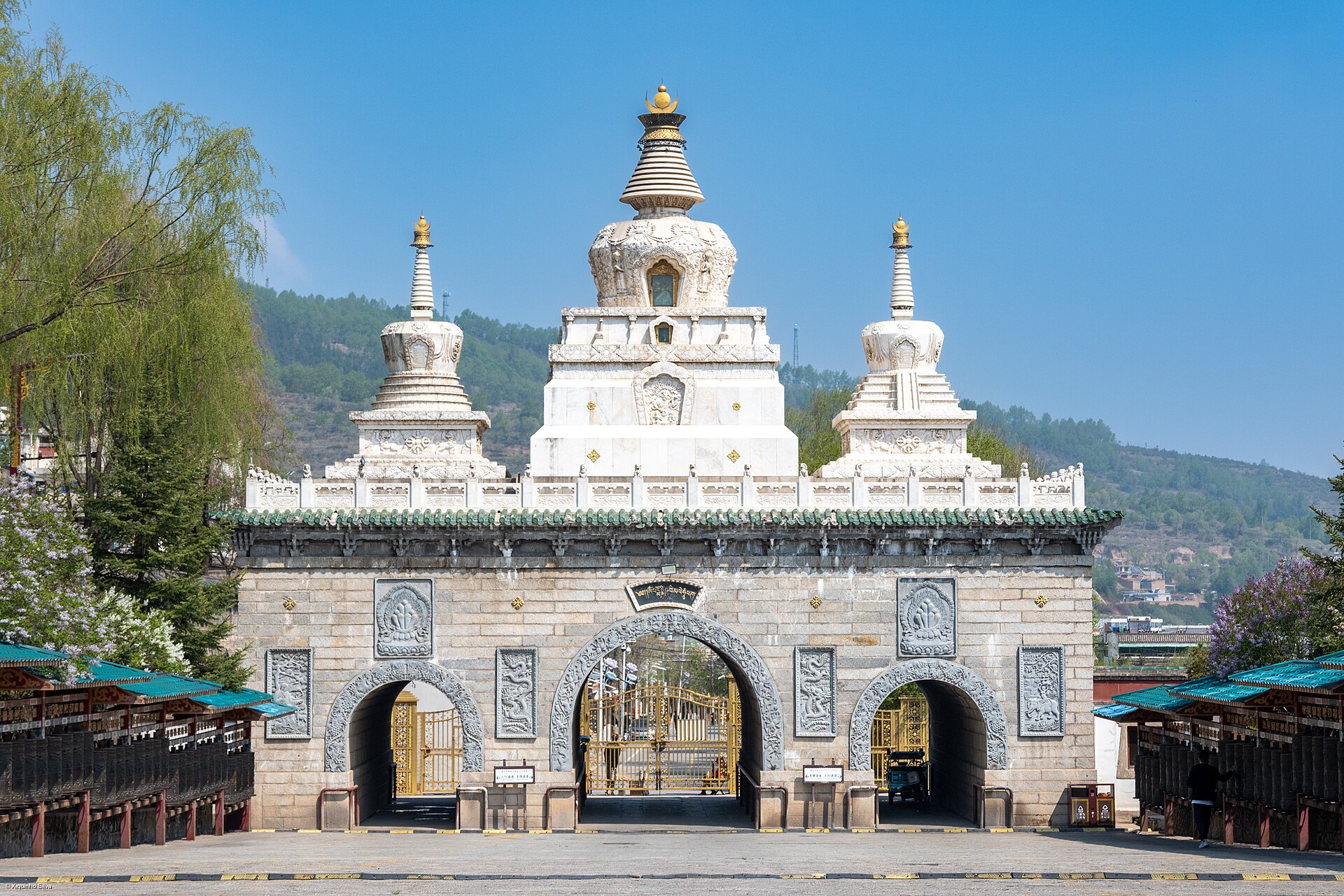
- Always walk clockwise around monasteries, stupas and mani walls.
- Do not point at statues with a finger: use an open palm.
- Do not walk in front of someone who is praying or prostrating.
- Do not touch or move ritual objects, bowls, bells or texts.
- Enter bare-headed with shoulders covered, and keep your voice down.
- Ask permission before photographing inside a temple; in many it is forbidden.
Around people
This is where most accidental offence happens:
- Never touch anyone's head, adult or child. It is a serious insult.
- Ask permission before photographing anyone, and accept a no without pressing.
- Do not haggle. On family visits the price is agreed in advance and never discussed inside the house.
- Do not hand out gifts or loose change to children: if you want to contribute, the village contribution is the way.
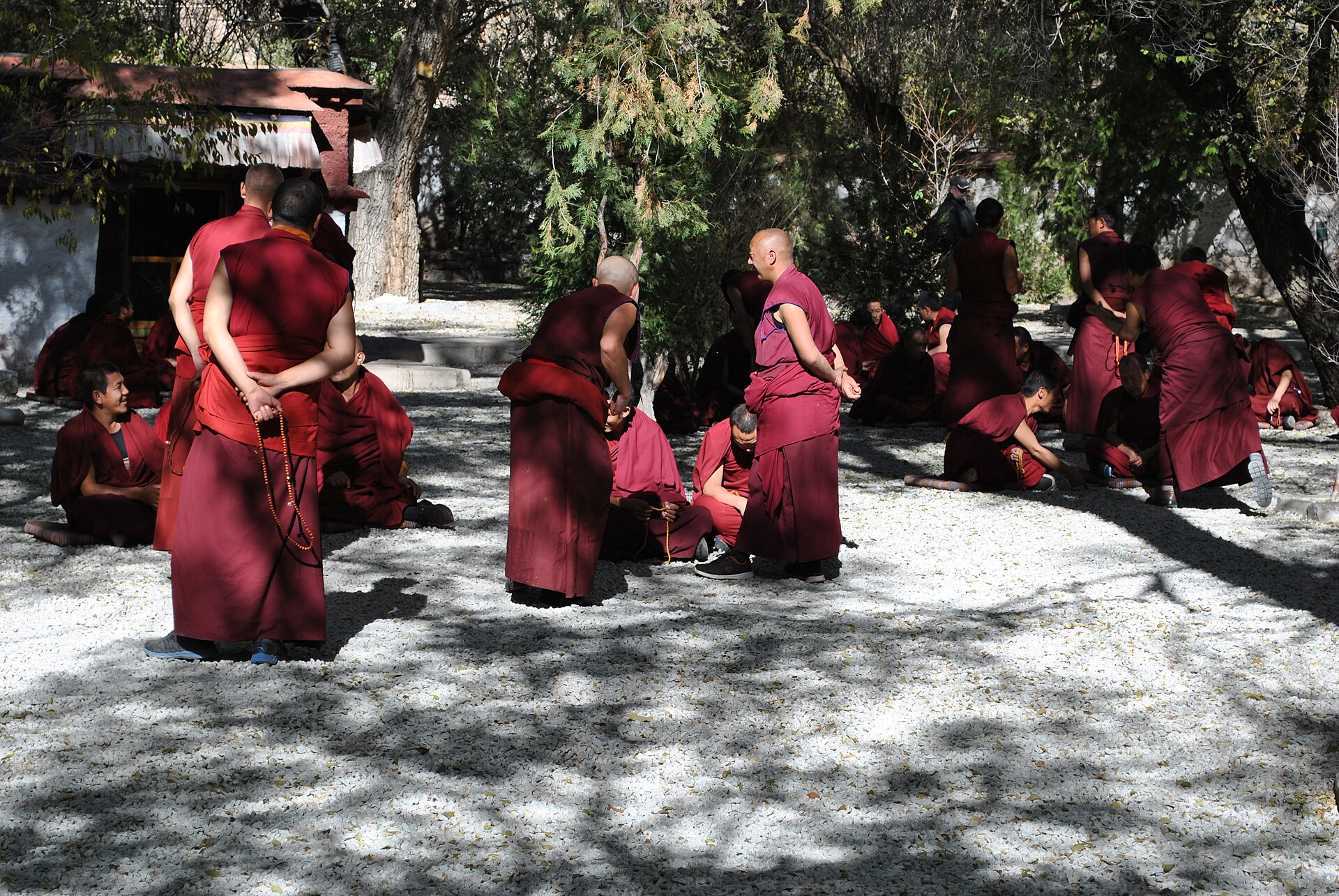
- Elderly people and monks have priority when sitting and when passing.
In a family home
The same courtesy, applied indoors:
- You go in when you are invited, and you follow your host in choosing where to sit.
- You accept tea with both hands when it is offered; it is the customary courtesy.
- You do not refuse food abruptly: if you do not take something, simply leave it and explain.
- You avoid politics and religion as conversation topics.
If in doubt, ask your guide
There is no such thing as a stupid question, and your guide would rather you asked. Our guides in Tibetan areas have worked with local communities for years and can explain the reason behind each rule, not just the rule itself.
Frequently asked questions
Can I give money to monks?
You can leave a donation in the temple box, not in someone's hand. And never as payment for a photograph.
Can I film video?
In many temples, no. Always ask first, and let the guide handle it.
And in the minority areas of Guizhou or Yunnan?
The same rules of respect apply: ask before photographing, do not enter houses uninvited, and do not haggle.