
The 55 cultures
that make up China
China is home to 55 ethnic minority groups, each with its own languages, dress, festivals and cooking. Our job is to step into that world without turning it into a theme park.
Most trips to China ignore this entirely, or boil it down to a forty-minute folkloric performance. We prefer the opposite: fewer villages, more time in each one, and local guides who speak the community's own language.
We work mainly in Guizhou and Yunnan, where the greatest concentration of minority groups lives, and across the Tibetan plateau. The calendar leads: if you want to see a particular festival, the trip is built around that date.
The peoples we work with
Each has its own language and its own logic. These are the ones we know best:
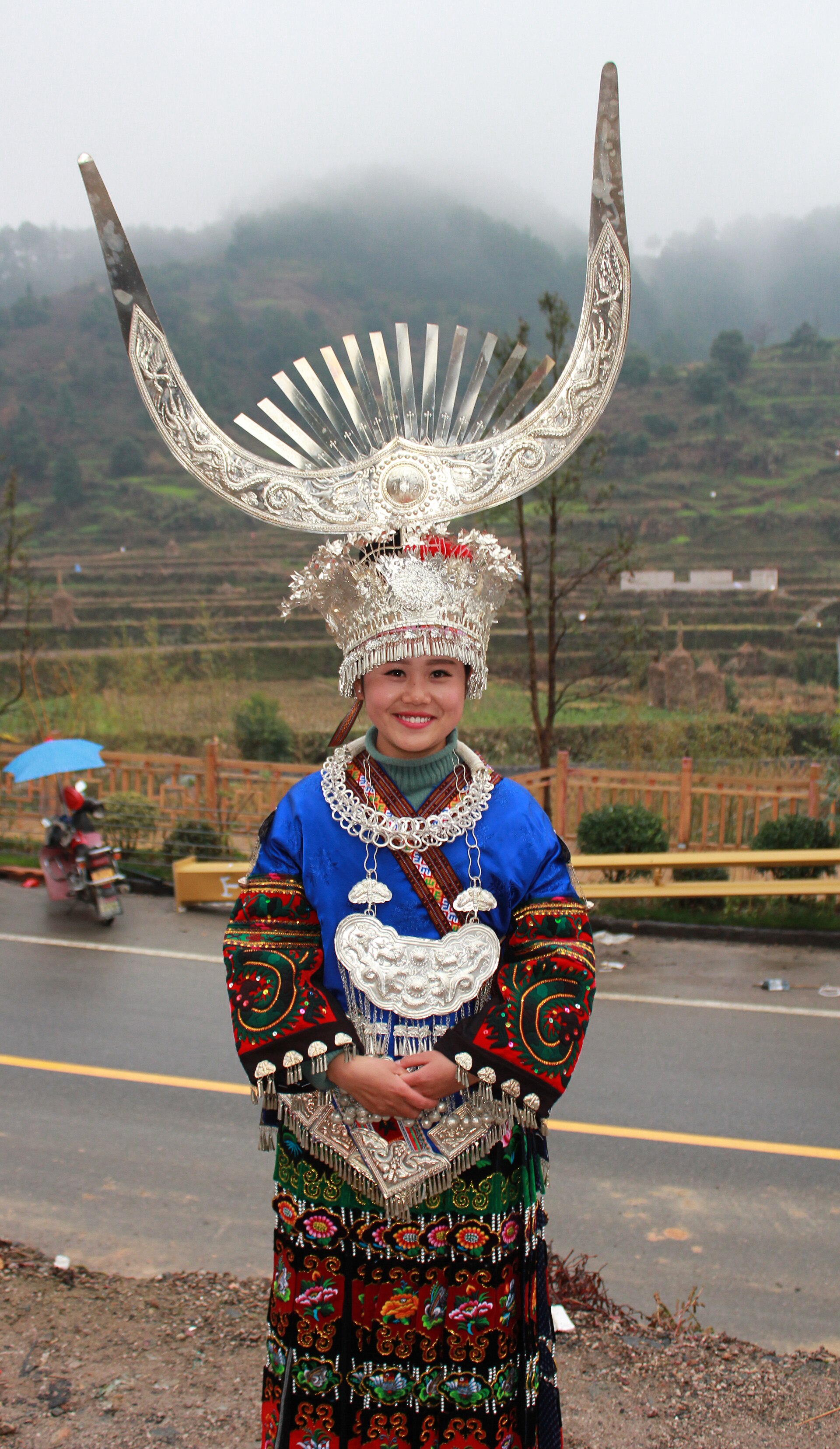
- Miao (Guizhou) — silverwork, embroidery and the lusheng pipes. At Xijiang, a thousand wooden houses climb the hillside.
- Dong (Guizhou) — drum towers built without a single nail, and the Grand Song, a polyphonic chant recognised by UNESCO.
- Naxi (Yunnan) — the only living pictographic script in the world, the dongba.
- Bai (Yunnan) — white-walled architecture and the indigo dyeing of Dali.
- Yi (Sichuan and Yunnan) — the Torch Festival, in summer.
- Mongolian (Inner Mongolia) — Naadam, with wrestling, archery and horse racing.
- Tibetan (the plateau) — monasteries, stupas and Tibetan New Year.
How to travel respectfully
With clear rules — the same ones we apply in the Tibetan family stay:
- You do not enter a house without an invitation, and you do not photograph anyone without explicit permission.
- Small groups only: twelve people maximum, and six on family visits.
- The price of a visit is agreed with the village and paid directly.
- At several destinations we pay a community fee that stays in the village.
- The trip is built around each community's real calendar, not around the festivals that happen to suit a catalogue.
When to go
From March to November. What decides the date is the festival itself: the Yi Torch Festival falls in summer, Tibetan New Year shifts every year, and the Miao silver festivals cluster in autumn. We will suggest two or three combinations depending on what you want to see.
Frequently asked questions
Can we visit without being intrusive?
Do the guides speak the local language?
Is it suitable for families?
Interested in Minority cultures?
Tell us about your case and we'll build it into a complete trip across China.
Open WhatsApp nowDirect contact
Every channel reaches the same team in China. Pick whichever you already use.
WA WhatsApp+86 177 0971 7171 — the fastest way to reach us →