
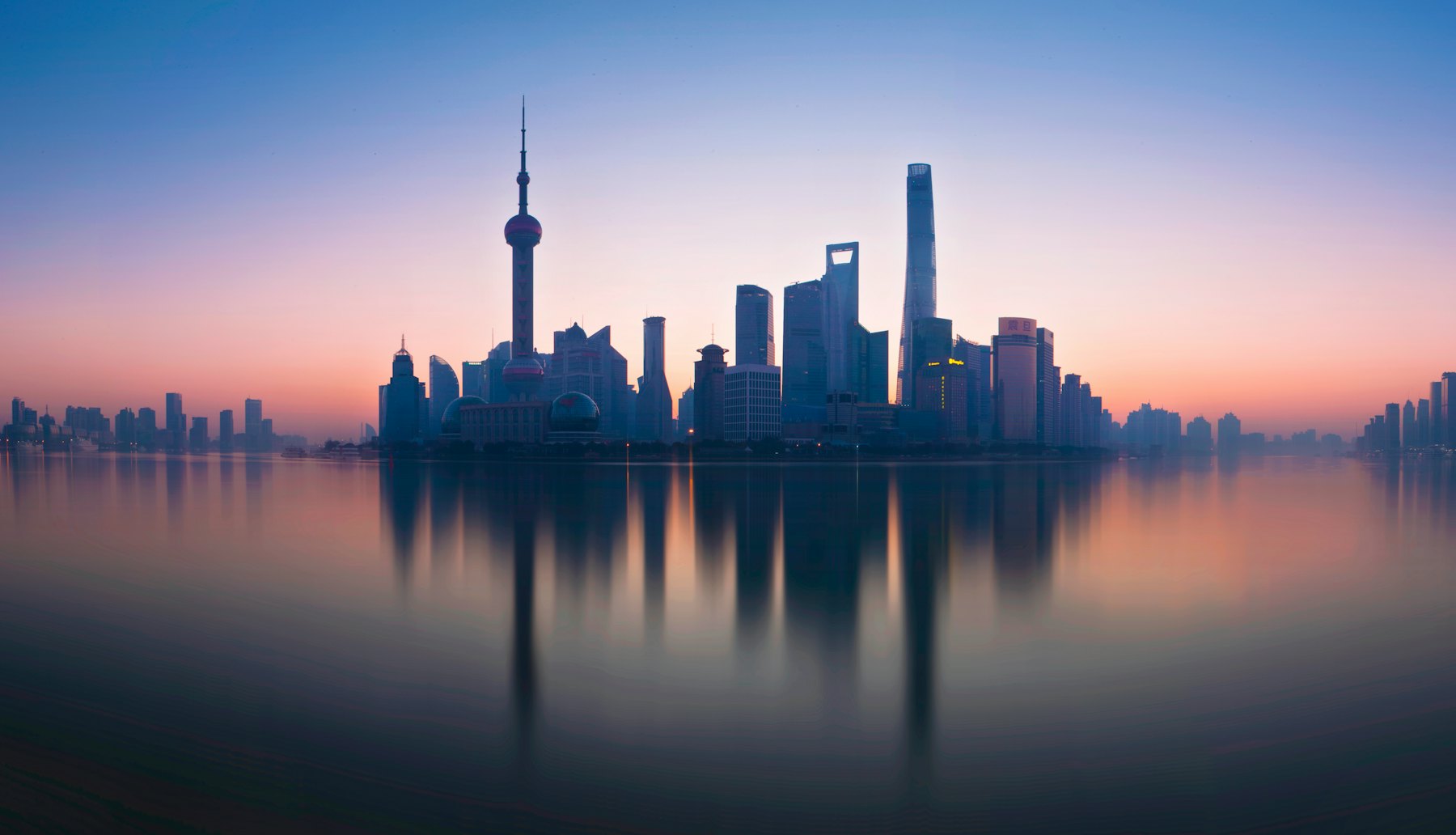
Shanghai is the easiest big city in China to like and one of the easiest to waste. It is enormous, it is slick, and the classic sights are spread across two banks of a river and several neighbourhoods that have nothing to do with each other. A three-day visit works beautifully if you group the city by area rather than by monument, and badly if you spend the days crossing it back and forth.
What follows is a tested three-day plan, with metro lines, opening hours and the timings that keep you out of the worst of the crowds. Two extra notes before we start: the city is on mobile payment, so sort that out before you arrive, and the two airports are an hour apart, so confirm which one your return flight uses.
Before you start: metro, tickets and where to sleep
The Shanghai metro has more than twenty lines, fares of roughly CNY 3–7 depending on distance, and English signage everywhere. You can pay with a QR code in Alipay or WeChat, buy a single-journey ticket from a machine, or pick up a transport card. It is fast, clean and almost always better than a taxi during the day; after 22:00, taxis and ride-hailing become the easier option.
Tickets to the main sights are booked online and increasingly by timed slot. The Yu Gardens, the observation decks and several museums cap daily numbers, and the Shanghai Museum is free but requires a booking. Get the slots you care about before you fly, because on the day the answer is often no.
For where to sleep, the two most useful areas are around People's Square and Nanjing Road, which is central, walkable and well connected, and Jing'an, which is quieter, greener and full of good restaurants. A room in a decent four-star in either area runs to roughly CNY 500–900, with five-stars from CNY 1,200 upward. Staying in Pudong gives you the skyline view but adds a river crossing to everything.
Day 1, morning: the Bund and the old city
Start early on the Bund, the riverside promenade that runs along the western bank of the Huangpu. Before nine in the morning it belongs to joggers, tai chi groups and people fishing over the rail, and the light comes across from Pudong onto the colonial facades. By eleven it is a wall of selfie sticks and tour flags, so the early start is not a suggestion.
From the Bund walk or take a short metro hop to the Yu Gardens and the old city. The garden itself is a classical Ming scholar's garden, dense with rockeries, pavilions and ponds, and costs roughly CNY 40; the surrounding bazaar is free, rebuilt but enjoyable, and best explored before the crowds fully arrive. Snack on soup dumplings at a busy stall rather than at a sit-down restaurant with photographs on the menu.
Around midday, walk north-east to the Rockbund and the area around the Waibaidu Bridge, or head south to the old docks, where the city has opened a stretch of riverside walkways that almost no visitor uses. Lunch in one of the lanes off the bazaar is cheap and good; the restaurants facing the pond charge three times as much for the same food.
Day 1, evening: the skyline from the water
Shanghai's signature moment is the Pudong skyline lighting up across the river, and there are three ways to see it. The cheapest is the public ferry between Jinling Road on the west bank and Dongchang Road on the east, which costs roughly CNY 2, takes ten minutes and gives you the same view as the paid cruises. The second is a river cruise of forty-five to sixty minutes, around CNY 120–150.
The third is the observation level of Shanghai Tower, at roughly CNY 180, with an entrance slot and a lift that climbs 118 floors in under a minute. On a clear evening the view over the city is extraordinary; on a hazy one you are paying to look at fog. Check the visibility forecast before you book, and remember that the light on the Bund is better from the sky at dusk than in full darkness.
Day 2: the French Concession, the museums and Pudong
Day two belongs to the former French Concession, the leafy grid of streets west of the centre where plane trees, garden villas and art deco apartment blocks survived the twentieth century intact. Walk Wukang Road, wander the lanes around Anfu Road, stop for coffee, and visit the former residence of Sun Yat-sen or the Soong family house if you like the period.
The area's two shopping-and-eating clusters are Xintiandi, rebuilt from traditional shikumen lanes and now expensive and polished, and Tianzifang, a labyrinth of studios, small shops and bars in a former lane housing estate. Tianzifang is more interesting and more chaotic; Xintiandi is more comfortable and more expensive. Neither is a museum, but both are pleasant for two hours.
In the afternoon, cross to Pudong to see the skyline from the inside: the Lujiazui district, the Shanghai Tower, the Jin Mao and the circular Oriental Pearl. The Shanghai Museum on People's Square, back on the west bank, holds one of the finest collections of Chinese bronze, ceramics and calligraphy in the country and is free, but you must reserve in advance and it deserves a full two hours rather than a quick walk-through.
Day 3: a water town or Suzhou
The third day is best spent out of the city, and there are two classic options. The first is Zhujiajiao, a canal town at the western edge of the municipality, reachable on metro Line 17 from Hongqiao in about 35–40 minutes: stone bridges, narrow waterways, boat rides and a decent amount of tourist commerce. Go early and be back by late afternoon.
The second is Suzhou, half an hour away by high-speed train from Shanghai Hongqiao, and the more rewarding choice for anyone with an interest in gardens or history. The Humble Administrator's Garden, the Master of the Nets Garden and Tiger Hill are the highlights, and having lunch in the old town before returning by an evening train makes an easy, elegant day.
If you would rather stay in Shanghai, the alternative third day is the industrial and artistic side: the Power Station of Art, the West Bund museums and the riverside park that runs along them, plus the 1933 Old Millfun building, a concrete structure that photographs like something out of a science-fiction film.
Where to eat in Shanghai
Shanghai cooking is sweeter and lighter than most Chinese regional food, built on soy, sugar and rice wine: braised pork belly in dark sauce, drunken chicken, smoked fish, and the soup dumplings that the city claims as its own. A plate of xiaolongbao at a good neighbourhood shop costs CNY 25–50, and a proper sit-down meal for two runs to CNY 300–600.
The restaurant scene is also the most international in China, which is useful if you need a break from rice and chilli after two weeks on the road. For breakfast, look for a jianbing stall or a noodle shop rather than the hotel buffet; for dinner, book ahead at weekends, when good places fill quickly and the walk-in list runs to an hour.
- Soup dumplings (xiaolongbao): order a steamer each at a busy neighbourhood shop.
- Shengjian bao: pan-fried pork buns, crisp underneath, a classic street breakfast.
- Red-braised pork belly: the city's signature dish, sweet and slow-cooked.
- Drunken chicken and smoked fish: cold starters served everywhere, good with rice wine.
- A bowl of scallion oil noodles: the cheap, perfect lunch that costs almost nothing.
Airports, and the transport detail that catches people out
Shanghai has two airports and they are not interchangeable. Pudong, in the east, handles most international flights and sits about 30 km from the centre; Hongqiao, in the west, handles domestic and some regional routes and is much closer. Getting the wrong one on departure day costs an hour and possibly a flight, so confirm the three-letter code on your ticket the night before.
From Pudong, the choices are the taxi at roughly CNY 160–220, the metro on Line 2 for about CNY 7, and the maglev to Longyang Road, which covers 30 km in eight minutes for around CNY 50 with a small discount if you show an air ticket. The maglev is a novelty worth taking once; it does not, however, deliver you to your hotel, so count the onward connection.
From Hongqiao, both metro lines 2 and 10 reach the centre in under forty minutes, and the taxi is around CNY 70–120. Hongqiao is also the station for the high-speed trains to Suzhou, Hangzhou, Beijing and most of the country, which is why a hotel on that side of town is convenient for a city-break with onward travel.
If you have a fourth day
Add Hangzhou: fifty minutes by high-speed rail from Hongqiao, with West Lake, the Lingyin Temple and a tea-growing hillside at Longjing village. It is the classic Chinese landscape just outside the city and works well as an overnight rather than a day trip, because the lake is at its best in the early morning, before the coaches.
Alternatively, use a fourth day for the parts of Shanghai that tourists skip: the Longhua temple and pagoda, the former Jewish quarter around Huoshan Road, the Propaganda Poster Art Centre, and the neighbourhood markets where the city still eats, shops and argues in the morning. It gives you a different souvenir from the trip than another observation deck.
Three days in Shanghai are enough to see the city properly, but only if the tickets, the river crossing and the airport transfer are already solved. ChinaTour.es, the English-language site of the JoyoTour group, puts this same three-day skeleton together with a licensed English-speaking guide, hotel pickup and the timed entries booked in advance, including the arrival transfer with a driver waiting in the arrivals hall.
Shall we build your Shanghai days?
Tell us your dates, your hotel area and whether you want a water town on day three, and an English-speaking adviser sends you the plan with tickets and transfers included. Message us on WhatsApp and the first draft is ready within three business days.
Message us on WhatsAppWe're the destination agency behind ChinaTour.es. JoyoTour has been designing tailor-made trips since 1999 and has 150 itinerary designers across China, Southeast Asia, Europe and the Americas. More than 100,000 travellers have set off with us. Everything we write about here, we've travelled first.